
World
Iran in crisis: lack of flour and bread across the country, appeal to light only 2 bulbs

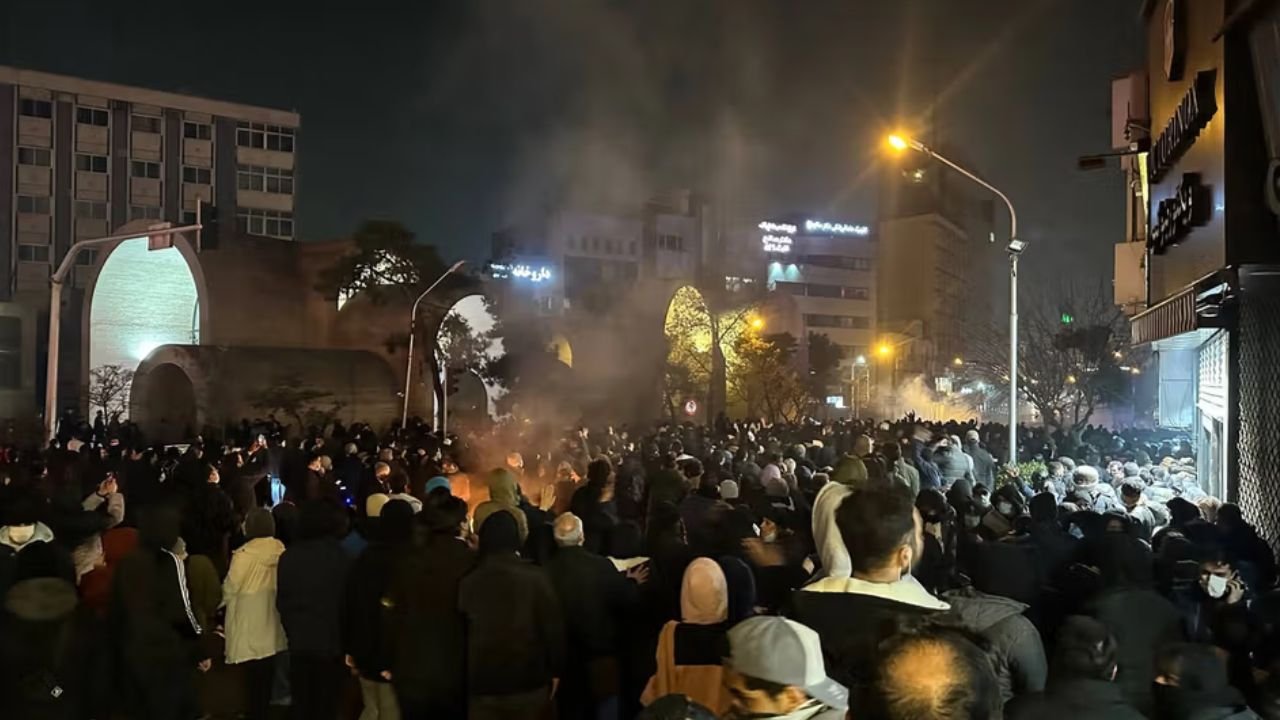
After the war with the US and Israel, Iran is facing an energy crisis. President Massoud Pajeshkian himself had to appeal to the public to consume less electricity. Iran’s semi-official Mehr news agency released a statement from President Massoud Pezheskian. It appealed to the people of the country to consume less electricity.
The Iranian president said, ‘The enemies are attacking our infrastructure and encircling us, which makes people dissatisfied and the current contentment turns into dissatisfaction. People should not allow discontent to flourish. We need to control consumption. Instead of 10 lights in the house, only two should be lit, what is the problem? Masoud Pajeshkian’s statement has come at a time when US President Donald Trump has repeatedly threatened to target Iran’s power plants and bridges.
Also read: Major operation in Pakistan amid US-Iran talks, 22 terrorists were killed
The main target of the US attack was regime change in Iran. Even after the death of Supreme Leader Ali Khamenei, America has not been able to achieve this. Meanwhile, news is coming that the supply of food and drink items has been disrupted during the war in Iran.
The government has removed the subsidy from flour
According to the report of Tehran International, there is a shortage of flour in the country. Long queues of people have formed. There is also a bread crisis in the capital Tehran due to the lack of flour. Iran’s barbari roti is available at 250,000 riyals and sangak roti at 350,000 riyals, while the rates of both rotis are set at 55,000 riyals and 76,000 riyals respectively. The government has also removed the subsidy on flour.
Also Read: Foreign Minister of Iran will go to Pakistan, will there be talks with America?
Iran is dependent on wheat imports
Wheat has an important place in Iran’s diet. That is why consumption is high there and production is low. Iran had imported about 2.75 million tonnes of wheat in the 10 months to February 2026. The Iranian government is trying to become self-sufficient in wheat. But for now this dream seems distant. 22 years ago in 2005, Iran achieved self-sufficiency in wheat. However later he could not maintain the rhythm. You can guess how important wheat is to Iran from the fact that National Wheat and Bread Day is celebrated on April 20 every year.




Why Paramveer Singh Cheema’s ‘The Pyramid Scheme’ is being discussed, when will the series be released?

After listening to ‘Tub Talaq’ from ‘Cocktail 2’ you will remember the song Tumhi Ho Bandhu, the audience was impressed.

Dhurandhar 2 lands in legal trouble, Aditya Dhar sued for ‘Oye Oye’ song

‘Sanskari Bachcha Hai…’, Ranbir Kapoor gets support from TV’s ‘Bhagwan Ram’

Who is the Ketamine Queen serving 15 years in Matthew Perry’s death?
